

Sunglasses are often viewed as practical accessories designed mainly for protecting the eyes from sunlight, but their influence goes far beyond functionality alone. The right pair of sunglasses can completely change how a person feels about their appearance, how they present themselves socially, and even how confidently they move through different environments.
Fashion accessories have always played a role in personal identity, but sunglasses occupy a particularly unique position because they affect both visibility and expression. Unlike many other accessories, sunglasses sit directly on the face, which naturally makes them one of the first things people notice. Frame shape, size, colour, and overall style all contribute heavily to first impressions and overall visual identity.
This is one reason many people feel noticeably different when wearing sunglasses they genuinely like. A well-chosen pair can create a stronger sense of self-expression and comfort, particularly when the frame complements facial features naturally. Confidence often increases when people feel their appearance reflects their personal style more accurately.
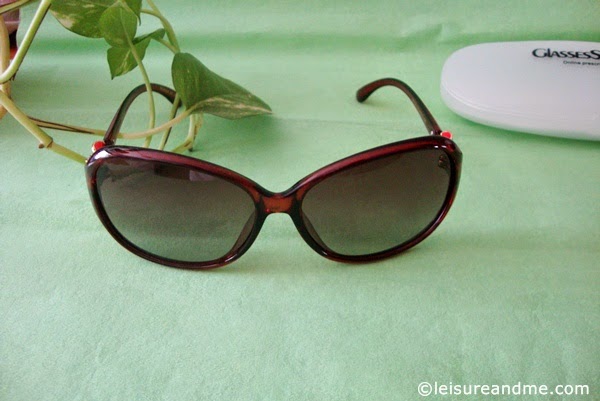
Face shape plays an important role in this relationship between appearance and confidence. Certain frame styles naturally balance facial proportions more effectively than others, which can subtly influence how comfortable someone feels wearing them. Frames that suit facial structure tend to feel more visually harmonious, while poorly balanced styles may feel distracting or uncomfortable even if the wearer cannot immediately explain why.
For people with softer or rounder facial features, angular or structured frames often create stronger visual balance by adding definition and contrast. Others may prefer oversized designs for a bolder appearance or more minimal frames for understated everyday wear. These decisions are highly personal, but they still influence how individuals perceive themselves when wearing the sunglasses.
Interestingly, sunglasses can also provide a psychological sense of comfort in social environments. Eye contact plays a major role in human interaction, and partially covering the eyes can sometimes reduce feelings of self-consciousness or social pressure. Many people naturally feel more relaxed, composed, or confident while wearing sunglasses in public spaces.
Celebrity culture has strengthened this connection between sunglasses and confidence for decades. Films, music, fashion campaigns, and social media have consistently associated sunglasses with individuality, status, mystery, and personal style. Certain iconic frame styles have become closely linked to confidence and self-expression because of their cultural visibility over time.
Modern eyewear trends have expanded considerably as well. Sunglasses are no longer limited to a few standard styles but now include a huge variety of geometric shapes, oversized frames, minimalist designs, retro influences, and sport-inspired aesthetics. This variety allows people to choose styles that reflect personality rather than simply following basic fashion rules.
Comfort influences confidence just as much as appearance does. Sunglasses that constantly slide down, pinch at the temples, or feel unbalanced quickly become distracting regardless of how stylish they look. Proper fit therefore plays a major role in whether sunglasses genuinely feel natural and wearable during everyday use.
This increasing focus on both style and wearability has influenced how many brands approach eyewear design today. Consumers increasingly expect sunglasses to balance aesthetics, comfort, and practicality rather than prioritising fashion alone.
Brands such as Faded Days Sunglasses reflect this wider movement towards combining modern styling with frame designs intended to complement different face shapes and fit preferences more effectively.
Colour choices also contribute to personal style expression. Darker frames often create a more classic or structured appearance, while transparent, coloured, or patterned designs can feel more playful or fashion-forward. Lens colours themselves may subtly affect the mood and personality associated with particular styles too.
Sunglasses also allow people to experiment with identity in ways other accessories sometimes cannot. A single frame change can shift an appearance from understated to bold, from sporty to elegant, or from relaxed to highly fashion-focused. This versatility is part of what makes sunglasses such powerful style tools.
The growth of online shopping and social media has further increased awareness around eyewear aesthetics. People now see countless frame styles daily through influencers, celebrities, fashion content, and advertising, which has made sunglasses a much more deliberate style decision than they may once have been.
At the same time, there has been a noticeable shift towards individuality rather than strict fashion conformity. Consumers increasingly choose eyewear based on how it feels personally rather than simply following trends. This has encouraged more experimentation with oversized frames, geometric styles, retro designs, and unconventional proportions.
Practical benefits remain important too. UV protection, polarised lenses, and durable materials all contribute to comfort and long-term usability. Modern buyers generally expect sunglasses to perform well while still complementing personal style effectively.
The relationship between sunglasses and confidence is ultimately tied to self-perception. When people feel comfortable with how they look, they often behave more confidently as a result. Sunglasses influence posture, expression, body language, and social interaction in subtle ways because appearance and self-confidence are closely connected psychologically.
More than simply shielding the eyes from sunlight, sunglasses have become tools of personal identity and self-expression. The right pair can help people feel more comfortable, more balanced stylistically, and more confident in how they present themselves every day.