
Northern Thailand is a dream destination for nature lovers, offering misty mountains, lush jungles, and a deeply rooted Lanna cultural heritage. From exploring ancient temples in Chiang Mai to trekking through the remote hills of Mae Hong Son, the experiences are unparalleled. However, the region’s immense popularity comes with a significant environmental footprint. As traveller numbers continue to rebound across Southeast Asia, it is more important than ever to structure your itinerary with the environment and local communities in mind.
The gap between visitor volume and sustainable practices is a pressing issue that requires immediate attention. Despite welcoming millions of international tourists, Thailand still faces challenges in promoting eco-responsible travel. This highlights the urgent need for visitors to actively seek out eco-conscious operations. Increased tourism often leads to heavy strain on local water supplies, excessive waste generation, and the disruption of natural habitats. By making mindful choices, your holiday can help improve the environmental footprint of the region while directly supporting local communities that rely on eco-tourism.
Prioritise Ethical Wildlife Encounters
For many visitors, seeing Asian elephants up close is a lifelong dream and a core reason for visiting the northern provinces. The good news is that global demand for welfare-focused experiences has positively influenced the industry. However, a recent report by World Animal Protection found that many venues still keep animals in unacceptable conditions, often driven by the surging popularity of unregulated physical interactions. Elephants are not biologically built to bear the weight of heavy seats on their backs, and the training methods used to make them compliant for riding often involve severe distress.
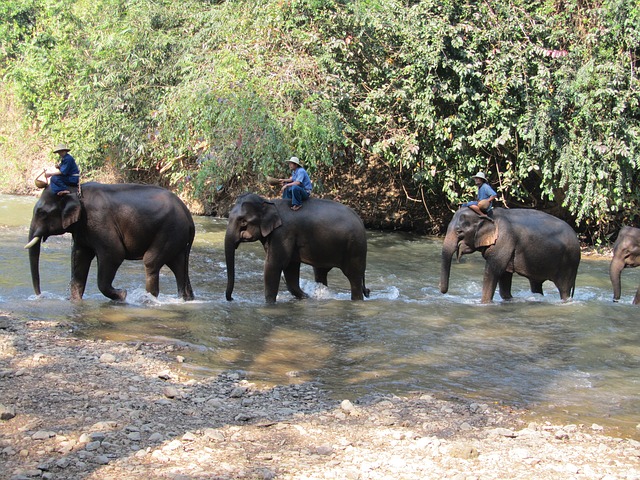
Wildlife experts consistently note that sanctuaries limiting human contact and focusing on observation or structured welfare activities receive the highest animal care scores. When planning your trip to Chiang Mai or surrounding areas, it is crucial to seek out ethical operators. Enrolling in a dedicated elephant care program ensures your visit supports the well-being of the animals through respectful, structured activities like preparing nutritious food, taking guided walks, and assisting with bathing in natural rivers, rather than watching outdated entertainment shows. March 13th is recognised annually as National Thai Elephant Day, serving as a great reminder to support conservation efforts that protect Thailand’s national representative animal.
Embrace Community-Based Tourism Initiatives
Another highly effective way to travel sustainably in Northern Thailand is by participating in Community-Based Tourism, commonly known as CBT. These initiatives empower local villages to co-design and manage their own tourism experiences, ensuring that the financial benefits go directly to rural residents rather than foreign-owned hospitality conglomerates. Social enterprises in the region have successfully partnered with numerous villages to create rural employment opportunities, allowing young people to stay in their hometowns rather than migrating to crowded urban centres for work.
In places like Baan Mae Klang Luang, located within the stunning Doi Inthanon National Park, the local Karen community generates sustainable income through eco-trekking, selling traditional handwoven crafts, and cultivating organic local coffee. Similarly, the village of Ban Muang Pam in the Mae Hong Son mountains uses community-owned initiatives to protect and share their indigenous heritage. When you book homestays, cooking classes, or guided treks directly with these communities, you help preserve their distinct cultural identity and protect the surrounding natural landscapes from commercial overdevelopment.
Practical Steps for a Greener Itinerary
Creating an eco-friendly holiday requires looking at the finer details of your trip, from how you move around to what you pack. Before you finalise your bookings, it is always a good idea to review comprehensive Thailand travel tips to understand regional differences, visa requirements, and seasonal weather considerations. Combining these basic logistics with green strategies will make your holiday both seamless and highly sustainable.
Here are a few actionable tips to keep your environmental impact low while exploring the northern provinces:
- Travel during the shoulder seasons. Visiting outside of the peak winter months helps distribute tourism income more evenly throughout the year and reduces the heavy strain on local infrastructure.
- Minimise single-use plastics. Bring a reusable water bottle and a canvas tote bag, as many boutique hotels, eco-lodges, and even local cafes now offer complimentary refill stations and discourage single-use packaging.
- Use shared transport. Opt for public buses, shared songthaews, or group transport when travelling between major cities like Chiang Mai and Chiang Rai to lower your individual carbon emissions.
- Support local artisans and farmers. Purchase souvenirs directly from local night markets and craft cooperatives rather than buying imported, mass-produced goods in large shopping centres. Furthermore, choose farm-to-table restaurants that source their ingredients locally.
Enjoying a sustainable holiday in Northern Thailand is entirely achievable with a bit of conscious planning and research. By choosing ethical wildlife sanctuaries, staying in community-owned accommodations, and adopting mindful daily habits, you can experience the authentic beauty of the region while leaving a positive legacy for future generations.