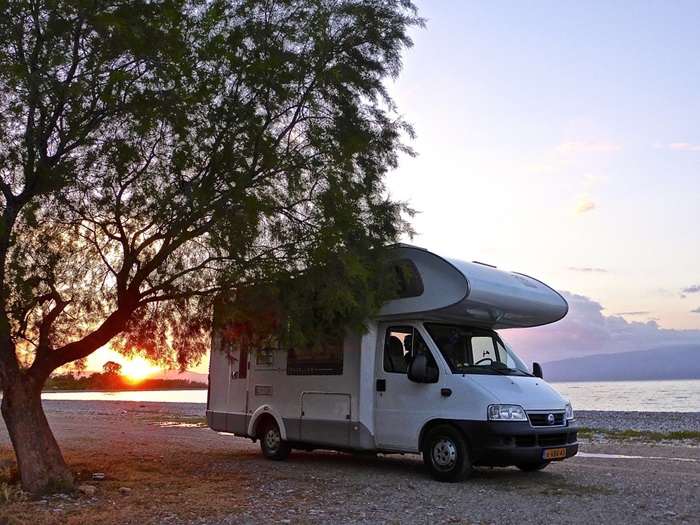
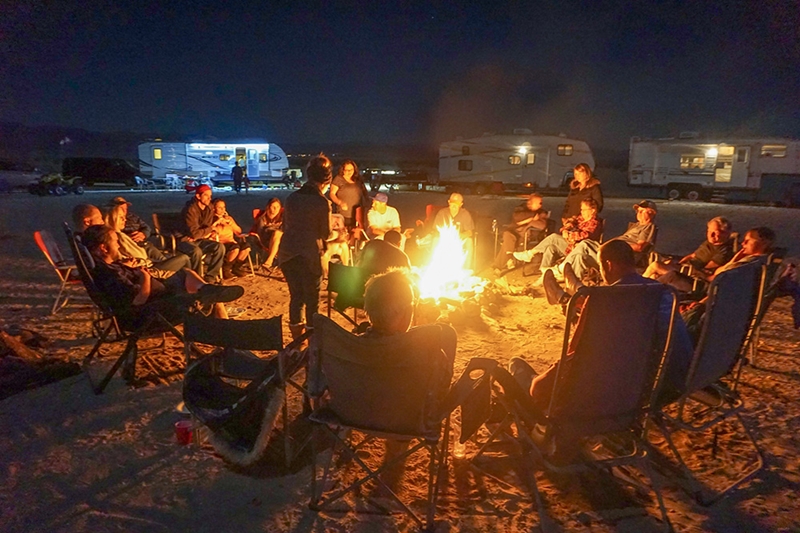
Every person who’s a regular camper has likely had at least one moment stepping out of the tent at 1am, looking up and being genuinely transfixed. A full sky of stars does something to a person that’s hard to articulate but impossible to forget. It’s one of those moments that makes the extended drive, the more remote pitch, and the less accessible location totally worth it. Dark sky camping is one of the most compelling reasons to push further from the familiar, and it rewards the effort every single time.
Why Light Pollution Changes Everything
The reality is that most people experience a heavily filtered, artificial rendition of the night sky based on light pollution. The Milky Way, which is visible to the naked eye in genuinely dark locations, isn’t present in most cities’ or suburbs’ skylines. Satellites and planes, as well as the omnipresent orange glow of settlements and towns nearby drown out fainter stars, minimizing what could be an awe-inspiring sight into something truly mundane.
Even a small amount of driving to get away from city urbanization makes a difference. However, designated dark sky locations—as more exist than people think—take it up a notch, providing areas where depth perception of the night sky becomes a possibility. For anyone who has never experienced this before, the first clear night in a truly dark location is unforgettable.
How to Get Around Camp After Dark
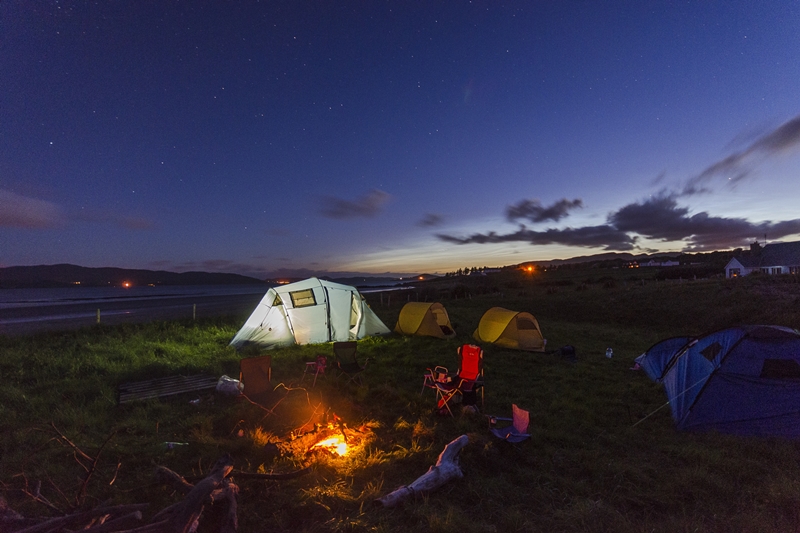
This is where practicalities of dark sky camping come into play. The reality of darkness means a true embrace of navigating a campsite after dark requires lighting. Phone screens are too bright, fires aren’t able to illuminate enough and handheld flashlights take away from one hand that could be used better for something else.
Quality headlamps are the obvious solution, and they’re worth choosing carefully for this kind of camping. The key is adjustable brightness — a full-power beam is useful for moving between a car park and a pitch in complete darkness, but it’s not what’s needed when the goal is to preserve night vision and enjoy the sky above. Lower red-light modes, which many quality headlamps include, allow movement around camp without destroying the eye’s adaptation to darkness. It’s a small detail that makes a significant difference to the overall experience.
Timing and Conditions: Getting the Most From a Dark Sky Trip
A clear, moonless night is the best of all worlds for stargazing and planning around the lunar cycle makes a significant difference. A full moon, while beautiful, washes out fainter stars much like artificial light does. New moon weeks provide the darkest conditions for the best eyesights of what’s available.
Weather also makes a difference though not only in clear versus rainy but also in humidity. Humidity clogs up skies, but post-rain nights often are surprisingly clear once clouds dissipate. It’s beneficial to set up camp before dark for practical purposes. After all, who wants to set up in darkness? Setting up in daylight makes everything easier along with ensuring a more relaxed evening of night without having to rush to set camp up before it gets dark.
What To Bring for a Comfortable Night Outside
Beyond lighting, there are some other considerations that make dark sky camping even better. A reclining camp chair or ground mat allows one to enjoy the wonders above without killing their neck while craning upward for too long. An extra warm layer—even in summer the early morning can get chilly—helps keep people comfortable longer outside as well.
A general star map or astronomy app beforehand helps map what’s visible with what location on any given night for an even more engaging experience because knowing what one is looking at elevates stargazing from passive enjoyment into active engagement.
Why It’s Worth It (And a Good Investment) to Make It Regularly
The best part about dark sky camping is that it quickly becomes addictive. The combination of genuine quiet, clean air and sky that’s incredibly different from what people at home see becomes a recharged state that few can find elsewhere. Those who camp under the dark sky regularly report it as something akin to returning home from going to the beach—it’s something that can be consistently revisited for something they can’t get anywhere else.
It’s not an expensive investment—a reliable headlamp, cozy sleeping arrangement and an open mind to drive an extra hour is all it requires. The rewards for good effort, on a clear night out of earshot of any town, show up tenfold!