

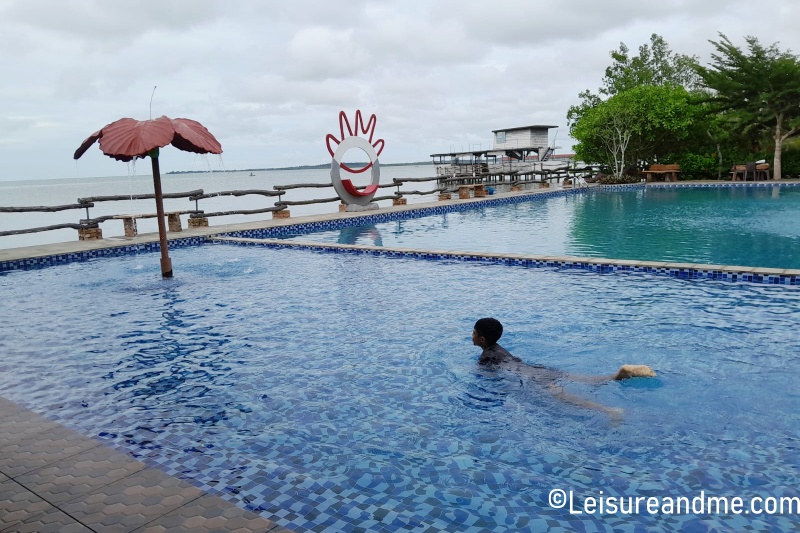
Family fitness holidays are becoming an increasingly popular way for parents and children to spend quality time together while improving their physical and mental wellbeing. Unlike traditional breaks that often revolve around sitting still, eating more than usual, and slipping into sedentary habits, active family holidays encourage movement in a way that feels natural and enjoyable. The benefits extend far beyond the holiday itself, often influencing healthier routines long after families return home.
One of the most immediate benefits of a family fitness holiday is increased physical activity without pressure. Children are more likely to move when activity is presented as play rather than obligation. Parents, too, often find it easier to be active when it is built into the day rather than squeezed around work and responsibilities. Shared movement improves cardiovascular health, builds strength, and supports coordination across all age groups, but it rarely feels like exercise when everyone is involved together.

Mental wellbeing improves alongside physical health. Being active outdoors, away from screens and daily stressors, helps reduce anxiety and improve mood. Exercise releases endorphins, which can lift spirits and promote relaxation. When families experience these effects together, it creates a shared sense of calm and positivity. Children often sleep better after active days, while adults report feeling more mentally refreshed and present.
Another important benefit is the impact on family relationships. Fitness holidays create opportunities for cooperation, encouragement, and shared achievement. Completing a walk, learning a new skill, or simply staying active throughout the day builds a sense of teamwork. These moments strengthen bonds and improve communication, especially when families are removed from the usual pressures of school schedules, work emails, and household routines.
Halfway through many families’ journeys into active breaks, places like Manor & Ashbury Resorts often stand out because they make physical activity accessible and enjoyable for all ages, without making fitness feel rigid or intimidating.
Family fitness holidays also help establish positive attitudes toward movement in children. When young people see parents enjoying physical activity, they are more likely to associate exercise with fun rather than obligation. This modelling effect can shape lifelong habits, reducing resistance to staying active as children grow older. The variety of activities often available on these holidays exposes children to different ways of moving, helping them discover what they genuinely enjoy.

Importantly, these holidays are not about perfection or peak performance. They work best when families focus on participation rather than outcomes. Gentle walks, swimming, informal games, and beginner-friendly sports allow everyone to take part at their own level. This inclusive approach helps avoid comparison and keeps motivation high. When activity feels achievable, confidence grows naturally.
The benefits do not have to end when the holiday does. Many families return home inspired to maintain a more active lifestyle together. Starting small is key. Simple habits such as regular family walks, weekend bike rides, or short activity sessions after school can recreate the positive routines experienced on holiday. Consistency matters more than intensity, especially when balancing busy schedules.
Bringing the holiday mindset into everyday life also helps. Treating activity as shared time rather than a task makes it easier to sustain. Games, challenges, and playful movement keep children engaged, while adults benefit from reduced stress and improved energy levels. Setting aside specific times for family activity, even once or twice a week, creates structure without pressure.
Flexibility is essential when transitioning fitness habits back home. Not every family member will always feel motivated, and that is normal. Allowing choice and variety prevents activity from becoming a source of conflict. Encouraging rather than enforcing participation helps maintain the positive associations built during the holiday.
Family fitness holidays demonstrate that staying active does not require strict routines or gym memberships. Movement can be woven into daily life in enjoyable, meaningful ways. By focusing on togetherness, fun, and wellbeing, families can improve their health while strengthening their relationships.
Ultimately, these holidays offer more than a temporary escape. They provide a blueprint for healthier living that families can adapt to their own routines. With the right approach, the lessons learned on a family fitness holiday can continue to benefit everyone long after the bags are unpacked and normal life resumes.






)